Water in California

News and info about California's water

Skip to: Content | Sidebar | Footer

Facebook Twitter

Water Safety Tips You Need to Know

30 June, 2019 (17:57) | Water Quality & Health Benefits | By: Smart Marketing

Water Safety Tips You Need To KnowAs the heat continues to rise, there’s really no place to be like a pool, lake, beach or the water, splashing around to cool off. Sometimes, we overlook who is confident in their swimming abilities, especially when it comes to children. For others, it can be a very frightening thought when it comes to children swimming.  We usually talk about tips for quality drinking water or drinking water systems for your home. This time around, however, we want to talk about water safety in a different aspect.


Swimming Safety Tips


Here are some IMPORTANT things to remember when it comes to keeping babies and children safe when around water:


  • Active supervision is the best tip of all; your undivided attention should be given to children in and around open bodies of water. An adult should always be in arms reach of a toddler or baby, no multitasking. Take turns watching the water with other adults if necessary, never walk away for any reason or any amount of time.
  • Start slow with babies; babies can be introduced to water around 6 months of age, but this should happen slowly and with a trained adult. Use waterproof or swimming diapers and change them frequently.
  • Educate kids about swimming safety; enroll kids in swimming lessons when ready. Make sure kids swim in designated areas only. Teach kids that open water swimming is different than in a pool. Even older kids should always swim with a partner and be sure to teach them to only swim when adults are present.
  • Don’t rely on swimming aids; pool toys are fun but they should never be used in place of an S. Coast Guard-approved personal flotation device (PFD).
  • Learn CPR; if you have a pool or take children swimming often, it is safer and you’ll have more peace of mind.
  • Take extra steps around the pool; set rules like no running and be sure to have gates and fences. Empty refillable or portable pools without covers no matter how shallow, and install window or door alarms.
  • Check the drains; educate kids about the dangers of drains, and always check for cracks or loose covers.
  • Instill confidence in swimmers; even for inexperienced swimmers, proper positive reinforcement is important. But don’t overdo it – kids still need to be cautious!


Stay safer this summer by following these and more tips for swimming and water safety with your kids.

Push to Regulate Harmful Chemicals in OUR Drinking Water

14 April, 2019 (20:31) | Water Quality & Health Benefits | By: Smart Marketing

water contaminant regulationThese days, we are all pretty familiar with the topic of drinking water contamination. We know that there are potential contaminants that could be dangerous for our health. We know we deserve better. Finally, the EPA agrees. In addition to what they already do, the EPA has declared a plan to regulate a set of harmful chemicals found in the drinking water of millions of Americans. There are still many contaminants that go unregulated, but could be causing us all harm when consumed in large quantities – and who knows if we are?!

What water contaminant regulation is the EPA planning?

According to an article in U.S. News & World Report, the EPA announced that they would “address contamination from widely used chemicals found in everything from food packaging to nonstick cookware, paint, carpeting, dental floss and firefighting foam, which have been linked to a range of potential health impacts including liver damage, developmental delays and cancer.” Whoa… these chemicals could be in all of that stuff? Yes.

What does this have to do with our drinking water?

Well, the contamination of the chemicals found in the things mentioned above means that these chemicals can end up in our water. The agency has the goal of limiting “two types of common per- and polyfluoroalkyl substances, or PFAS: a pair of chemicals known as PFOA and PFOS.” Although they are no longer being produced, they’re STILL found in some drinking water supplies! Wherever these chemicals were produced or utilized, it could be in the water.

What will be done?

According to the EPA, they plan to “expand monitoring efforts and issue groundwater cleanup recommendations for sites contaminated by PFOA and PFOs.” This is the main priority of the plan.

What can be done to protect drinking water now?

Are you concerned? It’s normal to worry about what’s in your tap water. If you don’t currently have a drinking water system installed, adding one to your home could be a good move. Until these efforts are actually put in place and ALL harmful contaminants are regulated, treated, or removed, you can make your own drinking water safer for you and your loved ones.

Drinking water contaminants are dangerous to human health. Although many of our communities treat our water, there is still the potential for contamination via other means after the water has been processed by these facilities. Furthermore, if you have a private well, you’re on your own for testing and treating your water. Check out some of our water filters and take part in the national efforts for making our drinking water safer, purer and better for everyone!

Action from above is good… but action from the people affected is great.

Scary Health Effects of Lead in Your Water

27 February, 2019 (14:44) | Water Quality & Health Benefits | By: Smart Marketing

lead in drinking waterLead in drinking water has made the news much more frequently and it hasn’t been for good reasons. Lead can have some devastating effects on the water and in the community. The one positive that comes out of all of these stories, however, is increased public awareness and the desire to protect your household’s drinking water from lead contamination.


How does lead get into our drinking water?

Lead is a very pervasive environmental contaminant. It can enter drinking water sources when lead water pipes corrode. According to the EPA, the most common problem for lead contamination is with brass or chrome-plated brass faucets and fixtures with lead solder. This is where significant amounts of lead can enter into the water, especially from the hot water. Homes built before 1986 are more likely to have lead pipes, fixtures and solder, thus making them more at risk of lead in drinking water.


Changes started for the better decades ago.

According to the CDC, beginning in the 1970s, lead contamination in air, tap water, food, dust, and soil began to be “substantially reduced, resulting in significantly reduced blood lead levels (BLLs) in children throughout the United States.” However, children are still being exposed to lead even today. Many of these children live in housing built before the 1978 ban on lead-based residential paint. Public awareness of these dangers is increasing and this means that demands for change are too.


Are there safe limits we can consume?

This question, of course, is a tricky one. Most people don’t want lead in drinking water at all – which is why a home drinking water system or water filter is recommended. However, the Safe Drinking Water Act (SDWA) has reduced the maximum allowable lead content – that is considered “lead-free” – to be a weighted average of 0.25 percent calculated across the wetted surfaces of pipes, pipe fittings, plumbing fittings, and fixtures and 0.2 percent for solder and flux.


So what adverse health effects are we talking about?

Here’s the most important part of this article. These adverse effects regarding lead exposure in both children and adults are well documented and no safe blood/lead level has been identified.


Since lead can be ingested from multiple sources like lead paint and dust as well as through contaminated drinking water via old corroded lead pipes, it is dangerous. The severity of the health effects depends on the concentration of the lead, the total amount of lead consumed and the length of time of the lead exposure.


Young children, infants, and fetuses are particularly vulnerable to lead because the physical and behavioral effects of lead occur at lower exposure levels in children than in adults. With kids, low levels of exposure have been linked to damage to the central and peripheral nervous system, learning disabilities, shorter stature, impaired hearing, and impaired formation and function of blood cells. Low levels of exposure also have been linked to behavior and learning problems and anemia to name a few.


What can we do to protect our drinking water?

Our reverse osmosis drinking water systems will reduce lead levels in your drinking water. They will also improve water quality by removing other harmful contaminants as well. By protecting your drinking water point of use (faucets), you can rest assured that your drinking water is safe for your family and guests. Investing in your own protection, as experts and officials continue to brainstorm ways to fund and improve our community drinking water systems, will be worth every penny!

Wildfires in California Have Major Impact on Water Quality

19 December, 2018 (13:05) | Water Quality & Health Benefits | By: Smart Marketing

CA wildfires affecting drinking waterWith California battling some of the worst wildfires right now, it is important to be aware of the many aspects of everyday life that they will affect. Right now, we are concerned about the loss that so many residents are facing; loss of homes, loss of land and even loss of life. And while they are seemingly common here in California, their impact is lasting and we want everyone to know how the future of drinking water will or could be affected.

The Importance of Forests on our Drinking Water

In California, for example, a lot of our water is sourced from forest lands. According to one report, approximately 80 percent of all freshwater in the United States, is from forested land. Along with this, more than 3,400 public drinking water systems are located in watersheds containing national forest lands. During a wildfire, many of these watersheds and water sources can be burned down or eliminated, flooded or changed. More than 12 million acres of land, including important forested water-supply watersheds, have burned in the southwestern U.S. in the past 30 years.

The Effects on Drinking Water

There are various ways that our drinking water will be affected by a wildfire. The short-term effects include things like ash settling on lakes and reservoirs where we get water for drinking water supplies. Furthermore, burn areas are more prone to erosion which will increase the amount of sediment accumulating in water resources. Not to mention the water used to fight the fires; if fire retardant gets into surface water that is used for drinking water, it may cause temporary increases in nitrate/nitrite levels and/or water cloudiness. These potential impacts are considerable – they change the quantity and quality of our water sources. Now, we have less water to treat and more contaminants to treat whether we’re using the water for domestic, agricultural, industrial, safety or ecological reasons.

Long term effects include things like increased water contamination and the need for more treatment of our tap water (which also requires more money), post-wildfire precipitation affecting water sources, changes in watersheds and local ecology and more.

How Will Drinking Water Stay Safe?

Local municipalities and officials are always attempting to find ways to keep drinking water safe during and after wildfires. Nature can be unpredictable, though, so sometimes we need to take matters into our own hands until there is an actual plan. Water treatment plants will do their best to reduce contaminants, but a home drinking water system or home water filter may also be a good investment to reduce the impact of wildfires on your home’s tap water. We offer a number of products that can protect the quality of your drinking water and keep your family safe from all of the impacts that wildfires have on your water – we wish we could help keep everyone safe in general! We are sending thoughts and prayers to those affected by the raging wildfires as the last burns are slowly and finally being put out.

Learn more about our drinking water systems

Do YOU Have HARD WATER?

29 November, 2018 (11:41) | Hard Water Solutions & Water Softeners | By: Smart Marketing

symptoms of hard water

Hard water really makes life … well … hard! There are some extra minerals in hard water that can be hard to remove on a daily basis. Magnesium and calcium are usually more present than just those hydrogen and oxygen atoms. Groundwater often percolates through limestone where it picks up calcium and magnesium deposits. While it isn’t really dangerous to humans, it can create issues with skin and hair, as well as dishes and clogging pipes. You’re not alone! The U.S. Geological Survey says 85% of homes in the nation have hard water! Could you?

What are the signs of hard water?

Do any of these issues sound familiar? If so, you likely have hard water and could really benefit from a home water softener to remove the excess minerals.

  • Funny tasting or smelling water – If your water smells like rotten eggs, it could be naturally occurring hydrogen sulfide gas or certain bacteria reacting with magnesium to form sulfates. Some people say the water also tastes like … dirt … due to sediments in the water of course.
  • Strange stains appear and reappear. Hideous and embarrassing brown or reddish stains on porcelain or shower walls is a common sign. Although they look like rust, it’s the minerals (could be rust from the pipes too) causing the discoloration which takes a LOT of extra elbow grease to remove.
  • Tons of soap scum. Do you have to scrub soap scum constantly? The white, hard water spots do not go away. When water evaporates, it leaves calcium deposits behind. They seem to be everywhere! It makes dishes look dirty (embarrassing!) but they really aren’t. In the bathroom, soap scum left on shower curtains can lead to the development of a microbial biofilm that might contain disease-spreading bacteria. Yikes! It takes more cleaning products to do the work.
  • Showering seems problematic. Are you lacking a lather? Is there a film of soapy residue on your skin after you do shower? Yeah … that’s hard water. Bad hair days? Same.
  • Clogged pipes. Showerheads can clog, but so do your pipes and this can cause major plumbing issues. Scale builds up inside constricting the flow of water and eventually leads to bursts or backups. Can you say money?
  • Clothes aren’t cleaned well. Calcium and magnesium don’t work well with water, so they don’t really rinse off soaps and detergents well. Soil can actually build up on your clothes, rather than washing removing it. Clothes often look dingy and wear out fast (more money!).
  • Skin irritation. Hard water tends to dry out people’s skin. Eczema is common when you have hard water. There is research indicating that bathing in hard water could cause eczema symptoms to worsen.
  • Worn appliances. This is an expensive hard water problem. From your dishwasher to your water heater, if there’s hard water involved, it could require premature replacement. Plus, they’ll be inefficient. A build-up of hard minerals in your water heater can make it far less efficient. The same goes for other appliances. Poor efficiency means bigger utility bills.

Water Softeners Can Save You Money!

It’s not difficult to see how hard water can cost you money in the long run. In fact, it is estimated that hard water expenses could cost you $800 or more every year! That’s some pretty impressive savings!

There are different types of water conditioners and home water softeners for the various needs, demands and sizes of your households. Our water softeners will condition your water right at the source so hard water minerals are removed early. The perfect solution to your difficult problem is right here!

Learn more about our water softeners

Water Quality – A National Effort All Year Round

20 August, 2018 (08:30) | Water Quality & Health Benefits | By: Smart Marketing

drinking water safetyAugust is National Water Quality Month, so it’s a prime time to think about where our drinking water comes from and whether or not it’s free from contamination. And, although designating months to causes like this to raise awareness is a great idea, it’s important to consider water quality all year long.

How do we get quality water?

In this country, many of us don’t even consider where our water comes from on a daily basis. We take it for granted that when we turn on the tap, clean drinking water will come out, and we can go about our daily lives. Fortunately, most of us DO enjoy clean, quality water, but it doesn’t come without effort.

In the U.S., the Environmental Protection Agency has been tasked with putting standards in place that regulate local water authorities and how they track water contaminants. This is especially important because the water we use goes into wastewater facilities which then treat the water and send it back out to consumers.

What can the average person do to improve water quality?

Although the government regulates how public water facilities treat wastewater, this doesn’t cover water that never reaches the wastewater plant. Some water goes down our drains and out into personal sewers, and other water gets used around our homes or property for things like irrigation or washing cars. In these cases, the water drains directly into the groundwater instead of going to a treatment plant.

Here are a few things we all can do to keep that water as clean and contaminant-free as possible:

  • Clean up after your animals
    Animal waste contains contaminants such as e. coli which can make their way into the groundwater. Using alternate disposal methods can help prevent these contaminants from reaching our drinking water.
  • Don’t wash your car at home
    Instead, use the commercial car wash. Public car wash facilities have drains that feed water directly into the city sewer system which then goes to a wastewater treatment plant for decontamination.
  • Use the garbage can
    Instead of rinsing medications or toxic paint down the drain, put them in the trash can. This will help prevent the harmful chemicals that are in them from reaching our drinking water.
  • Be mindful of fertilizers and pesticides
    Using these chemicals are sometimes necessary, but environmentally-friendly options are available that won’t cause groundwater contamination.
  • Join a community clean-up group
    Many neighborhoods have groups that work to clean up the environment, and together we can make a difference.

Finally, it’s great to practice all of the tips mentioned above, but if you’re still unsure whether or not your own personal water is safe to drink, you can always install a drinking water system in your home. Then, you will be sure to have safe, quality drinking water all year long.

Learn more about our drinking water systems

Eco-friendly Water Solutions: For You AND the Environment

31 May, 2018 (08:13) | Eco-Friendly & Sustainable Water Solutions | By: Smart Marketing

eco-friendly water solutionsIt doesn’t matter where we look these days – on a billboard, in the mail, or on television – we are constantly bombarded with messages to reduce waste, stop pollution, drink more water, and save the environment, among others. While some messages may play to current environmental trends, we really can do a lot to preserve this Earth for future generations to enjoy, and we believe it starts with how we interact with water.

Reduce, re-use, recycle.

Many of us have grown up with the 3 R’s of environmental responsibility; reduce, re-use, recycle. But what does that have to do with water? Well, we believe it has a LOT to do with it.

Water conservation

Many areas of the world, including California, suffer from drought at various times throughout the year, making water conservation an important environmental aspect to consider. At the same time, much of California is faced with the pesky reality of hard water, making water softening systems a must-have for most homeowners. Many traditional water softeners, however, are salt-based, discharging large volumes of salt, potassium, and water into septic systems each day. This wastes water and the salt discharge can be harmful to the environment.

So, what is the eco-friendly solution?

One option is using a Portable Exchange (P.E.) Tank Soft Water Service. The water is conditioned off site at a state of the art facility, stored in portable tanks, and transported to your home by a water service technician. Once the tanks are empty, they are returned to the same facility for regeneration and re-use. Not only does this mean less time required by you to maintain a water softener system, it also means that no household water is wasted, and salt discharge is kept out of your septic. Furthermore, the portable exchange tanks do not use electricity, so your utility bill will be reduced, when compared to using a traditional home water softener system.

Drinking water

While water conservation measures are important when it comes to household and commercial water use, most experts agree that the opposite is true when it comes to our own health; we need to use MORE water, in the form of drinking it.

Some research estimates that 4 out of every 10 Americans DON’T drink enough water, and that includes many older adults. Some use the excuse that they don’t like the taste of water, while others say it just isn’t convenient. Thus, the advent of the plastic water bottle – a promise of fresh tasting water that is convenient to take on the go.

It appears that many more Americans are getting the “drink more water” message, as studies show that over half a billion bottles of water are purchased every week in the United States.

While bottled water may be a good solution for getting people to increase their water intake, it has proved to have negative environmental effects. A lot of energy is used in the making of the plastic and the transport of the finished goods, yet most bottles are used only once.

Furthermore, harmful chemicals in the plastic can find their way into the ground when people choose to throw the bottles away instead of recycling them. In fact, about 80% of disposable plastic water bottles never get recycled and instead, end up taking years to decompose in the landfill.

Is there an eco-friendly solution for drinking more water while also protecting the environment?

Drinking water solutions at home

The answer is YES! There’s no reason you can’t have great tasting water and save the Earth too. At home, a great place to start is with a Reverse Osmosis (RO) Drinking Water System. An RO system fits under your sink and provides filtered water through a separate faucet.
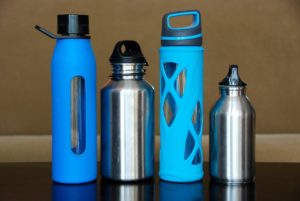
reusable water bottleThe benefits of a Reverse Osmosis System include a continuous supply of safe, filtered water that is obtained simply by turning on the faucet. Just fill up your cup or re-usable bottle and drink! No need to lug cases of bottled water home from the store, keep them stashed in the pantry, and then cart them to the fridge to get cold. That also means fewer trips to the recycling bin with disposable plastic bottles and less waste making its way to the landfill because of those who don’t recycle.

Water filtered through an RO system also tastes great, making it easy to drink on its own. There is also the added benefit of improving the taste of your coffee, tea, juice, oatmeal, or any other food prepared with water.

Drinking water at work or on the go

So, what if you don’t stay at home all the time? Is there still a way to drink more, fresh, great-tasting water when you go to work or go out to run errands? Of course! The answer is a convenient water cooler, perfect for home or on the job.

If you have a Reverse Osmosis system at your tap, you can always fill your travel mug or bottle with great tasting water to go, but if you don’t, a water cooler will provide the same convenience. In fact, contrary to what the name might imply, a water cooler can also provide hot water at the flip of a switch, making it an easy solution to make tea or instant coffee to enjoy now or later. Water coolers are available for both home and office use and are maintained for a low monthly fee that still allows you to save money over using bottled water.

Environmental responsibility starts with YOU

 As you can see, there are ways that each of us can get the water we want and need, and still be environmentally responsible. Contact us today to get the eco-friendly water solution that makes the most sense for you.

Learn more about drinking water solutions

What are the Effects of Hard Water?

17 May, 2018 (14:45) | Hard Water Solutions & Water Softeners | By: Smart Marketing

Effects of Hard WaterDo you have hard water? Are you wondering if you should do something about it? Well, before you make a decision about whether or not to treat it, we want to make sure you are armed with plenty of information first.

Does your water leave stains and residue on dishes and glassware? Are your shower and bathtub walls covered with an embarrassing film that is hard to clean? Does your hair and skin look and feel dingy and dull? Does it require an excessive amount of soaps and detergents to clean clothes or create suds?

If you answered yes to any of those questions, then it sounds like your hard water is having a bad effect on your home!

You’re certainly not alone. Research shows that about 85% of American households deal with some level of hard water – and many of those don’t treat their water with a water softener or water conditioner, simply because they don’t know what kind of treatment would work best for their particular household.

We know there are numerous products on the market today that claim to soften water, and trying to choose the right one can seem like an overwhelming task. But with a little bit more information, we can help you select which water treatment options would work best for your household’s water demands and for your individual family’s needs.

Hard Water Classifications

For starters – what actually determines a water’s hardness and what levels you should pay extra attention to?

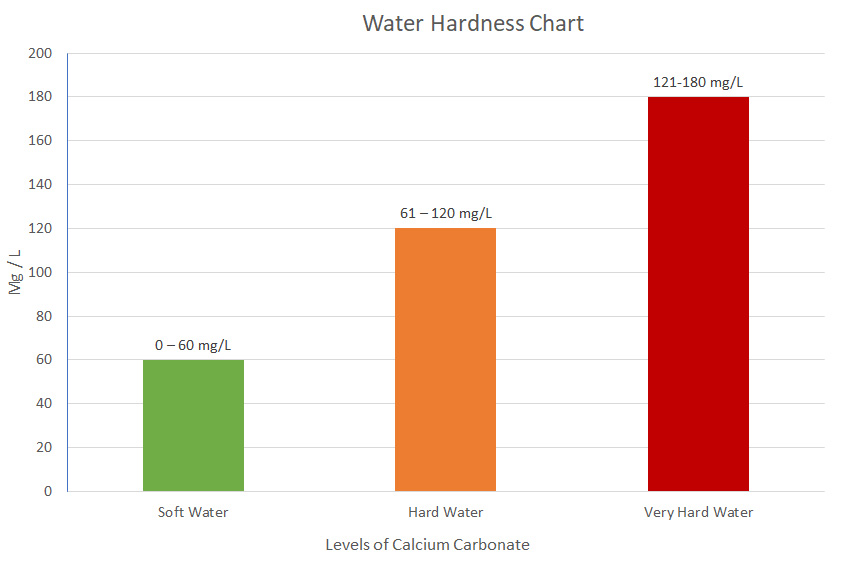
According to the USGS, calcium and magnesium dissolved in water are the two most common minerals that make water “hard.”  The degree of hardness becomes greater as the calcium and magnesium content increases and is related to the concentration of multivalent cations dissolved in the water. To determine the classification of your water refer to the following chart.

Hard water minerals are not going to impact human health, however they are going to impact your home in many ways. From your own bathing and washing practices, to your pipes and appliances, hard water is … well HARD on a home and you!

Benefits of a Water Softener

One of the biggest benefits of installing a home water softener tends to be the decrease in time and effort spent on household chores and the amount of detergents and soaps that you’ll have to buy. Another important benefit of softening your home’s water is that you’ll reduce the risk of clogged pipes and appliances – a benefit we will get into more as you continue reading.

It is expensive to have to deal with hard water issues. From the money spent on extra soaps and detergents to replacing inefficient or failing appliances, you’ll be spending a fortune living in a home that is plagued by hard water. Your pipes can become clogged with scale that reduces water flow and ultimately requires pipe replacement – and this is not just household pipes. It includes scale and buildup in smaller appliances that will reduce their lifespan as well.

So now that you know what it is and what effect it has, let’s think about interpreting your results. The hardness of your water will be reported in grains per gallon, milligrams per liter mg/l or parts per million ppm. One grain of hardness equals 17.1 mg/l or ppm of hardness. You can refer back to the amounts listed above to see where your household water falls.

Much of this information comes from the Environmental Protection Agency (EPA) which establishes the standards for our drinking water in this country. There are primary and secondary standards. Primary standards are based on the necessary health considerations of the tap water you consume and secondary standards are based on classifications such as taste, odor, color, corrosiveness, foaming, and staining properties of water. There is no Primary or Secondary standard for water hardness.

So we know it is a serious nuisance and we know it isn’t necessarily dangerous to our health; yet we still need to consider the removal of hard water minerals to reduce the time and tasks in our daily routine as well as to save money on replacing appliances and the extra cost of energy it takes to utilize those appliances. It has been proven that softened water allows for less energy, thus costing you less money on your energy bill.

Hard Water Solution

So how exactly can we remove these minerals and what do water softeners do?

Our water softening products use an ion exchange process in which the hard minerals are traded out for sodium. During the process, beads with a negative charge are in the resin. Calcium and magnesium in water both carry positive charges. This means that these minerals will cling to the beads as the hard water passes through the mineral tank.

The sodium collects on the beads, replacing the calcium and magnesium, which go down the drain. Once this phase is over, the mineral tank is flushed of excess brine and the brine tank is refilled. There is of course, more technical aspects to this process, but this gives you a general idea of what is happening inside the water softener.

The water softeners we sell here at Pacific Coast Water Systems of Fullerton are not only exceptionally efficient, but also extremely durable. They also come with a great warranty so you won’t have to worry that your product is going to fail leaving you in a bind.

Living with hard water can be difficult but it doesn’t have to be. We can help you replace your hard water with soft water that will not only be more enjoyable for you, but will save you time, money and effort in the long run!

Learn more about water softeners

What are the best drinks when you are sick?

3 April, 2018 (19:10) | Water Quality & Health Benefits | By: Smart Marketing

Best Drinks For SicknessThe flu season this year has been unbelievable! The CDC reported that there have been almost 28,000 hospitalizations already this flu season – and that’s only the ones who actually went to the hospital with flu symptoms!

So what can you do if you get sick? One of the most common recommendations by doctors is to rest and get plenty of fluids. This is best way to help your body fight the virus. It’s also important to note that all “fluids” aren’t created equal. Drinking plenty of water will help prevent dehydration. However, the real question is, what exactly should you be drinking … coffee, tea, juices or just plain ole’ drinking water?

Drinks that ease flu symptoms

Some drinks are great for easing those awful flu symptoms, while others may make them worse. An article from WebMD listed four drinks that can help when you are sick.

Warm decaffeinated tea can help to soothe sore throats, upset tummies, stuffy noses and even chest congestion. Plus, how comforting is a warm cup of tea when you feel like covering up your head and dying? If you choose an herbal tea with ginger, your immune system may get a small boost, as well. Even better, add a small spoonful of honey to your tea – it can help soothe a cough and help you sleep.

Drinking filtered water with lemon is another great drink to try when you are feeling rough. Lemon is high in vitamin C, which may help fight off your virus and have you up and running a bit faster. Water, either hot or cold works to keep you hydrated and will help loosen up stuffiness and congestion.

Soup might not seem like your typical “drink”, but it does wonders when you drink it. The heated soup can relieve inflammation, break up mucus and give your body some much needed calories when you don’t have an appetite.

If all else fails, and you can’t seem to keep anything down, reach for the ice chips or a popsicle. They can help with hydration and will soothe a sore throat better than most things.

Drinks to avoid when you are sick

Most physicians advise against drinking sports drinks, fruit juices, ginger ale, coffee and alcohol when you are sick. The sugar in most of these drinks is not going to make you feel better and has little nutrients to improve your health. Likewise, caffeine can make you dehydrated, which isn’t good when you’re already at risk for dehydration.

If you are one of the unfortunate ones suffering from the flu this season, don’t forget your water and DRINK UP! Hopefully you will be feeling ready to conquer the world again in no time.

Learn more about drinking water systems

Less Arsenic Means Less Cancer

20 February, 2018 (16:20) | Water Quality & Health Benefits | By: Smart Marketing

arsenic in drinking waterWhen you’re a homeowner, you’re often concerned about the quality of your drinking water and any drinking water contamination that may occur. For homes with wells, testing and water treatment are left to your own responsibility. In both situations, a home drinking water system with advanced filtration technology can eliminate dangerous contaminants like that of arsenic, which can be very dangerous to humans who have it in their tap water.

In the past, there were higher levels of arsenic in drinking water because the EPA’s rules allowed for more. However, a recent report in the New York Times has some good news! Arsenic reductions in drinking water, thanks to the EPA’s revisions, and lowered allowed levels, have resulted in fewer instances of lung, bladder and skin cancers. It has only been a little over a decade that these changes were made, but we are already seeing positive results proving that arsenic contamination is deadly. This regulation does not apply to private wells, however.

How do they know? Research and survey results! Using data from a national health survey, urinary arsenic levels from 2003 were compared to those in 2014 after changes had been made and fully implemented. According to the article, they found a 17 percent reduction in arsenic levels among those using public water systems. The researchers estimate that the new rule resulted in 200 to 900 fewer lung and bladder cancers and 50 fewer skin cancers annually.

But what about the arsenic still left in our tap water? Should we be concerned? What about folks who have a private well? To reduce arsenic in drinking water, we encourage you to consider investing in a home water filter. Policies come and go, changes are made, but only you have the true power to protect the quality of your drinking water and peace of mind. You can control what is in your drinking water more than you know. We have plenty of products flexible to the water demands, budget and needs of your household. Give us a call today and let’s continue to reduce cancer rates by reducing your drinking water contamination!

Learn more about home drinking water systems