Water in California

News and info about California's water

Skip to: Content | Sidebar | Footer

Facebook Twitter

Fluoride and Water Filters

29 April, 2015 (06:56) | Water Treatment Education & Basics | By: Smart Marketing

Tap water consumption is, on average, the largest daily source of fluoride exposure for people who live in faucetareas that add fluoride to the water. Unfortunately, what has been deemed good for our teeth isn’t always good for our bodies. Avoiding consumption of fluoridated water is especially critical for infants. If you live in area which fluoridates its water, you can avoid drinking the fluoride through water filtration like reverse osmosis systems.  The issue is popular among physicians, scientists and officials still today, but there are some scientific facts that you just cannot argue with.
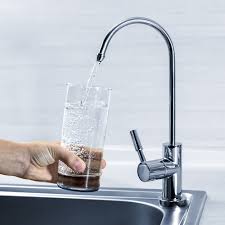
A recent article from The Telegraph explains the warning put out by scientists about the dangers of drinking water containing fluoride. Recent findings show that fluoridated drinking water may actually trigger depression and weight gain. Plus, Around 15,000 people could be suffering needlessly from thyroid problems because of fluoride in drinking water, the University of Kent has warned. Added to drinking water to help fight cavities, it certainly would make consumers think twice about filtering their tap water if it meant weight gain, depression or thyroid issues, don’t you agree? A study of 98 per cent of GP practices in England found that high rates of underactive thyroid were 30 per cent more likely in areas of the greatest fluoridation. That translates to 15,000 people are suffering needlessly from thyroid problems which can cause depression, weight gain, fatigue and aching muscles. Quite the issues for drinking fluoridated water!

Fluoride in drinking water can be eliminated with our drinking water systems. Not all water filters can remove fluoride, but ours can and you will have great-tasting, safe drinking water in no time. Even with a 90% of fluoride reduction, you’re keeping your family safer and healthier than before according to the evidence from the study. Many consumers believe that their drinking water is fine the way it is. After all, they wouldn’t add fluoride to your water if it wasn’t good for you, right? That is probably the scariest part. These studies show that fluoride can be unsafe, triggering problems with thyroids which will in turn lead to numerous other health issues. There is more research which needs to be done, but until it shows that fluoridated water will not harm your family, we encourage you to call us and look into protecting your tap water with one of our effective reverse osmosis systems. Public health and quality drinking water is our number one motivation.


Does Boiling Water Really Work?

27 April, 2015 (07:49) | Water Quality & Health Benefits | By: Smart Marketing

When water main breaks occur or water authorities find contaminants beyond acceptable limits, the public is typically informed right away and told to boil their water before using it for consumption or other direct uses. When these warnings and boil water advisories occur, it leaves many wondering if their city’s water supplies are actually safe – especially those living without a reverse osmosis drinking water system or home water filter. Most municipalities will test and monitor the water, but does boiling water actually help? How long have you been drinking the water since this happened or was noticed?

If you follow the boiling water techniques, residents should boil water for at least three minutes to kill most infectious organisms. Boiling water kills harmful bacteria and parasites. Allow water to cool completely before consuming or using. Boiling is better than other disinfection methods. Dishes should be rinsed in a bleach solution of one tablespoon of bleach per gallon of water and allowed to air dry. Household dishwashers typically do not reach temperatures sufficient to kill infectious organisms.

However, there may be some other surprising details that you need to know before boiling your water. In some instances, boiling water could actually worsen some contaminants, like nitrates, in drinking water. Even the Environmental Protection Agency acknowledges that when it comes to nitrates in drinking water, boiling water will NOT reduce nitrate levels. In fact, it will make the level of nitrate worse because some of the water will evaporate but the nitrate will not. This increases the concentration of nitrate in the water. Boiling water kills coliform bacteria, but does not remove nitrate. Do NOT boil water with both coliform and nitrate. It may increase the nitrate level, making the problem worse! Nitrate is an acute contaminant, meaning that one exposure can affect a person’s health.

If you’re concerned about your drinking water, we have solutions for your home. Boil water advisories can be a scary thing for sure, but knowing you’re protected at all times with a reverse osmosis filter can take a little of the worry away. A home water filter protects all the time, not just when something happens!


Contaminated Water – Another Byproduct of Wildfires

25 February, 2015 (11:13) | Water Quality & Health Benefits | By: Smart Marketing

California is no stranger to wildfires but this year has seen a significant increase in wildfire incidents.  In 2013, there were 4,243 wildfires that burned almost 115,000 acres of land and already this season California has seen over 5,000 wildfires.  We are all well aware of the impact wildfires have on deforestation and property damage but there is another byproduct of wildfires that we need to take into consideration – contaminated drinking water.  Not only firesdoes California have to contend with drought conditions and water shortages, now they need to be concerned about the quality of the drinking water they do have.

Typically when you are talking about wildfires and water in the same context, the focus tends to be on the increased danger of flooding and mudslides due to runoff but there is much more to it than that.  There is a tremendous amount of debris generated during a wildfire and that debris flow way too often ends up in lakes, streams and reservoirs.  The debris causes increased sediment in the water supply and it is a monumental task to filter and remove the debris and sediment at a water treatment facility. Some wildfires have deposited so much debris and sediment into the water supply that the drinking water continues to be unpotable years afterward.

In conjunction with the increased sediment and turbidity of the water, there is also an increased concentration of chemicals that gets washed downstream into the water supply.  Water quality studies have shown that post wildfire, there is a substantial increase of phosphorus and nitrogen found in the water and that remains there for years.  In one key study conducted at the San Dimas Experimental Forest in Glendora, California, they discovered nitrate concentration in streams were ten times over the federal limit for nitrate concentrations – three years after the initial fire!

Phosphorous and nitrates occur naturally in a wildfire, but oftentimes the chemicals that firefighters use to extinguish wildfires find their way into water supplies as well.  Drinking water that is contaminated with any of these chemicals can be potentially hazardous to residents and steps need to be taken to ensure that they are not ingesting them.  Water treatment facilities work overtime to try and safeguard against contaminated water, but all too often trace amounts or more of these contaminants sneak through.  Residents that drink well water are at particular risk for excessive water contamination and it is imperative they install a water filtration system to protect themselves.

A reverse osmosis (RO) drinking water system adds that extra layer of protection for homeowners and their families.  RO drinking water systems do a fantastic job of filtering out any unwanted chemicals including nitrates, phosphorous and chlorine by products that can be produced from the need of over processing at a water treatment facility.  The Centers for Disease Control (CDC) rate RO systems with very high effectiveness for removing protozoa, bacteria, viruses, sodium, chloride, copper, chromium, lead, arsenic, fluoride, radium, sulfate, calcium, magnesium, potassium, nitrates and phosphorous.  Homeowners can be assured that the water they are drinking is as safe and natural as possible and free from harmful contaminants that can be produced from wildfires.

What you need to know about radionuclides

20 January, 2015 (06:51) | Water Quality & Health Benefits | By: Smart Marketing

The U.S. Environmental Protection Agency (EPA) regulates several drinking water contaminants, including radionuclides, to protect public health. But many Americans are not aware of the possible contaminants – over 100 that are regulated and others that are not. Some households protect their water with a home drinking water system while others choose to ignore the benefits of high-quality drinking water. We assume that our drinking water is safe for consumption because we live in a country with some of the best drinking water in the world. The ugly truth is that even in this nation, there are areas and situations where our drinking water is less than perfect, and is sometimes even dangerous to human health. Radionuclides are just one example of a harmful contaminant in public drinking water and we think that it is time, now, to improve the drinking water in every single home in the U.S.

Like other contaminants, radionuclides may cause health problems if present in public or private water supplies in amounts greater than the drinking water standard set by EPA. A radionuclide is an atom with an unstable nucleus which, to become more stable, emits energy in the form of rays or high speed particles.  This is called ionizing radiation because it can create “ions” by displacing electrons in the body (e.g. in the DNA), disrupting its function.  The three major types of ionizing radiation are: alpha particles, beta particles and gamma rays.

According to the EPA, 80% of our exposure to radioactivity is natural and another 20% is from man-made sources, although more frequent use of diagnostic imaging involving radiation x-rays, CT scans is increasing exposure from this source. We are exposed to naturally occurring radiation for example from radon gas emanating from rocks and soil, and cosmic radiation from space. Radiation may exist in drinking water from nuclides dissolved in the water from natural sources in the earth or occasionally from releases from laboratories or nuclear power plants. Certain rock types have naturally occurring trace amounts of “mildly radioactive” elements.

These radioactive contaminants, depending on their chemical properties, may accumulate in drinking water sources at levels of concern. They can be dangerous because #radiation pulls electrons off atoms in the cells and may prevent the cell from functioning properly. This is where it may get dangerous. It may lead to the cell’s death, to the cell’s inability to repair itself, or to the cell’s uncontrolled growth cancer!. Ionizing radiation can damage DNA, which carries the genetic information in a cell.

If public drinking water tests should find traces of regulated radionuclides in the tap water, the water supplier must notify their customers as soon as practical or within 30 days after a violation occurs. If your water comes from a household well, check with your health department or local water systems that use groundwater for information on contaminants of concern in your area. As for well owners, you are responsible for testing and treating your own water.

When you install a home drinking water system like an RO system, you will immediately enjoy the benefits of safer, healthier water free of harmful contaminants. Contact us today for more information or to learn more about our water filtration products.

How do you choose the best water softener?

31 December, 2014 (11:15) | Hard Water Solutions & Water Softeners | By: Smart Marketing

How to Choose a Water SoftenerHard water is all too much of a reality for millions of Americans. In fact, according to the U.S. Geological Survey, 85 percent of American homes have problems with hard water. That means a lot of people are dealing with unnecessary problems while living without a water softener. Even though hard water is less of a health issue than it is a nuisance, life with a water softener will save money and energy all while leaving you more time to spend with your family.

A water softener can help eliminate or lessen problems caused by hard water. But with so many options for brands on models on the market, how will you know which water softener is right for you? You must consider things like the number of people in your home, the size and demands of your household, spacing, quality of water, WQA and other certifications and buying from a reputable business. Water softener reports can help you choose the right size water softener and understand salt-free and dual-tank softeners, and more.

Again, hard water is not necessarily a health concern for households, as hard water comes from aquifers and other underground sources that collect dissolved minerals from rock—particularly calcium, magnesium carbonate, and manganese. The problem with hard water is essentially how difficult it makes chores due to producing soap curd and detergent deposits on fabric, leaving soap scum rings in the bathtub and more. According to one consumer report, many of the problems created by hard water are “hidden until some type of malfunction occurs” in your home’s plumbing system or in a water-using appliance. When heated, dissolved hard-water minerals “recrystallize and form scale that eventually clogs plumbing, reducing water flow.” Scale and lime deposits also take their toll on water-heating appliances such as dishwashers and coffee makers, increasing the need for repairs. The Water Quality Research Council at New Mexico State University found that water heaters operate 22 percent to 30 percent less efficiently when plagued with hard-water scale. These are all things to consider when deciding on installing a home water softener.

Choosing the right water softener is an essential step in the treatment of your water. What a water softener does is trade “hard” minerals in water for “soft” minerals in water. The typical trade is as calcium hard mineral enters a water softener it is traded for sodium soft mineral. We offer a variety of models to meet the needs of all of our customers and one of our technicians can gladly help you choose. Capacity, demand and different types of whole-house water softeners can get confusing for the average consumer. By far the most popular and commonly used type of whole-house water softener is an ion-exchange or “cation exchange” unit, but when doing business with us, we will let you enjoy your water without having to know every detail behind the softening and purification process. We offer user-friendly controls and our products have been awarded certifications. When selecting your water softener, keep in mind that the NSF International is an independent testing organization that tests and certifies water-treatment products. The water industry’s trade organization, the Water Quality Association, also certifies equipment, so look for the WQA Gold Seal.

Each of the criteria above is important to consider. Some models will offer you few of the suggestions and some will offer you many. When you give us a call, you will realize that you can have it all.

Learn more about our water softeners

The Connection Between Hydration and Diabetes

14 November, 2014 (12:00) | Water Quality & Health Benefits | By: Smart Marketing

Drinking water frequently throughout the day is probably one of the most recommended dietary changes when it comes to a healthy body.  This is especially true for diabetics; while drinking water isn’t the cure for diabetes, nor has it been proven to lower blood glucose levels on its own, it does however help support kidney function, flush out excess sugar and keep you from becoming dehydrated, which is a serious problem for many diabetics.

One of the first symptoms of high blood sugar is excessive thirst.  Kidneys need water to eliminate the excess glucose diabetics produce, and if they don’t have enough fluid, they will steal it from other parts of the body.  This process will eventually lead to the body’s cells becoming depleted of necessary fluid and will cause dehydration.  Since the kidneys rely on adequate water and hydration to function, chronic dehydration puts a severe strain on the kidney’s ability to function and can lead to kidney failure; a common problem with uncontrolled diabetes.  Drinking plenty of water every day helps to keep the kidneys functioning properly and delay the onset of kidney failure.

Obviously, a diabetic must limit the intake of excess sugar and the first thing dieticians recommend is to stop drinking ALL sugary drinks completely.  Replacing sugary drinks with filtered water not only reduces overall calorie consumption and sugar intake, but it might even help in the prevention of high blood sugar.

A clinical study was conducted which determined that individuals who consumed 16 ounces or less of water each day were thirty percent more likely to have high blood sugar than those who drank increased amounts of water.  Researchers found a connection between high blood sugar levels and the hormone vasopressin, which helps the body to regulate hydration; when a person is dehydrated, vasopressin levels increase and in turn prompts the liver to produce more blood sugar.  Ongoing research is being conducted on this topic and the correlation that proper hydration has on preventing diabetes, but increasing your daily intake of water can certainly help.

Maintaining blood glucose at the correct levels is a daily, and sometimes hourly, battle for diabetics.  Proper diet, exercise and drinking plenty of water will help keep those levels from fluctuating so dramatically.  Many physicians and dietitians recommend keeping a bottle of filtered water with you at all times, not only will it serve as reminder to keep drinking throughout the day, it will ensure you never become dehydrated.

Choosing the Best Residential Water Filter

21 October, 2014 (08:36) | Water Treatment Education & Basics | By: Smart Marketing

These days in the news, we hear too much about chemical spills, leaking oil tanks, toxic waste sites, pharmaceuticals in tap water and pesticide use which can cause a lot of concern for homeowners when it comes to drinking water contamination. Whether you get your water from a private well or a municipal water system, you are probably worried about what is really in your drinking water. And although not all contaminants can be seen, smelled or tasted, some will in fact alter the taste of your drinking water and could be affecting your coffee, tea or other foods and drinks which use water – or worse, your health. You may want to consider having your water tested. By identifying which contaminants are present, you can then choose a water treatment system that is certified to address your major water quality concerns.

Many consumers look for various products on the market as a solution and there are certainly plenty of avenues to consider. But pitcher filters are not as effective as you may need and bottled water is a terrible choice in terms of environmental impact. We recommend a home water filter like an RO system to remove harmful contaminants and greatly improve the quality of your drinking once and for all. The trick is finding the best residential water filter to meet your contaminant needs and meet your individual household demands. Reverse osmosis is a common treatment system because it removes a large amount of contaminants quite effectively. Many units are stored under the sink and have a simple spigot over the counter for getting the water. They do reduce arsenic, asbestos fluoride and heavy metals.

Some water filters or reverse osmosis systems cannot handle the demands of certain size households and leave people waiting for the tanks to refill before the water can even be used. Others use too much energy and their cost of operation is outrageous. It is also important to ensure that the water purifier that you select has been approved by the NSF and the California Department of Health Services. Our residential water filters use advanced reverse osmosis technology, have been approved by both of those entities and will meet your household demands and provide you with a continuous flow of clean, safe drinking water. Available for lease or purchase, these products use advanced filtration technology and will add instant equity to your home when it comes to drastically improving the quality of your drinking water.

Water Quality in Fullerton, California

15 October, 2014 (06:03) | Water Quality & Health Benefits | By: Smart Marketing

Households using municipal or rural water supplies can depend on their local water utility to follow Environmental Protection Agency (EPA) guidelines for maximum levels of contaminants. However, private well owners are not monitored by government agencies. This means the owner must take responsibility for the condition of the system, routine testing and costs and water treatment.  Here in Fullerton, the city water system serves water to approximately 134,000 people through 31,000 residential, commercial and industrial service connections.  Water pollution may not seem as important as our current drought crisis, but we encourage all households to learn about their water quality so that they can make an informed decision about why they may want to install a home drinking water system for added protection.

Fullerton is vigilant when it comes to safeguarding our water supply and last year’s report shows that the water delivered to your home meets the standards required by the state and federal regulatory agencies. Just as the Safe Drinking Water Act requires, the city monitors over 100 compounds in your water supply. While the local water quality report actually shows that this be the case, there are more contaminants in drinking water that are not regulated by either the EPA nor the city of Fullerton.

With this many people being served, water quality is a really important aspect of our community. Water quality is a lasting issue among many communities as well as the current drought crisis. It was confirmed that 2013 was the driest year on record in California, and as dry conditions continue, some regions throughout the state are being severely impacted. On January 17, 2014, Governor Jerry Brown declared a “drought emergency” and asked that all Californians “voluntarily reduce their water use by 20%.”  With our drinking water systems, our advanced filtration technology can help you to reduce water waste and be more efficient overall. (As a side note, did you know that bottled water wastes a HUGE amount of water in the production of the bottles, filtration processes, and delivery?!)

A new topic at the forefront of consumer concerns seems to be the improper disposal of pharmaceuticals now finding their way into our water. We urge you not to flush your medications down the drain. Without a home water filter or an RO system, you may be finding your home’s water in more danger than in the past. Experts have predicted a decline in water quality in the coming years. According to a recent Water Quality Report on the city’s website, there were a number of regulated and non-regulated contaminated tested for. While no contaminants were over the maximum level allowed by the Safe Drinking Water Act, there are certainly levels of contaminants in the water that residents should be aware of such as traces of lead, copper in some households, fluoride, nitrates and selenium. Nitrates in drinking water are especially dangerous and the levels found in this report are higher than average.

Drinking water quality is important and every household deserves safe, healthy tap water. Even with regulated testing in our area, we are not free from contamination to say the least. There are too many identified pollutant sources like agriculture, urban storm runoff and municipal points – and who knows how many unidentified sources. More than 200 chemical contaminants have been documented in groundwater alone, most of the contaminants composed of pesticides, metals, nitrates, solvents, and other wastes. The health effects of even small traces of contaminants in drinking water deserve the added protection. It is time to install a water filter in your home – it will become your most useful and efficient household appliance after just one use.


Is Water Testing Really Necessary?

30 September, 2014 (08:00) | Water Treatment Education & Basics | By: Smart Marketing

Ever since the Safe Drinking Water Act (SDWA) was passed by Congress back in 1974, many of our nation’s drinking water concerns have been alleviated.  There have been much stricter guidelines put into place that aim to protect the safety and integrity of our water supply.  Due to the tighter regulations, many water borne illnesses of the past have been all but eliminated, which causes some to question if independent water testing is really necessary.

In order to answer this question, let’s first take a look at how publicly supplied water is delivered to your home.  Once it has been tested and treated in a water treatment facility, it is then piped to a water holding tank in your town or city. Through a system utilizing gravity and electricity, water then passes through a labyrinth of pipes and tubes underground to eventually end up coming out of your tap.

The water that was treated and tested back at the treatment facility has now travelled through many miles of underground pipes to reach your home.  Is it possible, that the once treated water has become tainted along the way?  Of course it is!  We aren’t saying that all water is going to become contaminated on its way to your tap, however, there are a lot of unknown variables along the way that could affect the quality of your water – even the pipes in your own home.

So what criterion determines whether or not you should have your water tested?  We have compiled a basic list of questions that can help guide you in your decision.

  • Does your water have a strange taste or odor?
  • Does your water leave soap scum on bathroom fixtures?
  • Do you have an existing water treatment system in place and wonder about its efficiency?
  • Did you just move into your home and didn’t receive a water quality report? Click here if so!  http://water.epa.gov/drink/local/index.cfm
  • Are you interested in installing a water filtration system in your home?
  • Does your home have lead pipes or lead soldered joints?
  • Do you have brass fixtures?

If you answered yes to any of these questions, you should definitely look into having your water tested.  Most home improvement stores sell basic water testing kits, however if you are going to go to the effort of having your water tested, we would recommend using a private water testing laboratory.  A certified water testing laboratory has the capability of testing for a much broader range of contaminants and will give you a better overview of your water quality.  The Environmental Protection Agency (EPA) has a link on their website you can use to find certified testing labs in your state.

Once you determine the condition of your water, you are in a much better position to choose a water filtration system that will compliment your unique water concerns or whether you need one at all.  Whichever way you decide to go, it is still recommended that you have your water tested to know the condition of the water you are drinking on a daily basis and prevent any health issue before they arise.

Get a free water test

What is the best faucet mount water filter?

30 July, 2014 (05:38) | Water Treatment Education & Basics | By: Smart Marketing

Consumers are taking multiple steps in protecting their drinking water these days. From water pitchers with filters to home drinking water systems installed at the point-of-use, no one wants to deal with harmful drinking water contaminants known or unknown for that matter. Lead, chloroform, arsenic, nitrate, nitrite, radon, and E. coli bacteria are common in tap water. And bottled water is actually less regulated by the Environmental Protection Agency than municipal water supplies.

Some consumers are electing to install a faucet mount water filter. Each water filter has advantages and disadvantages. But how do you know which faucet mount water filter is the best? First, find one that will improve not only the taste of your water, but is also certified to remove the contaminants that are present in your particular water. Some come with electronic displays and are easier to use than others. Faucet-mounted filters let you switch between filtered and unfiltered water. They are affordable and simple to use, but as with any other product, there are some downsides as well.

Some of the least-effective models have slow water flow and they may not fit on all faucets. They may also get clogged if your family uses the filter often. A good rule of thumb is to fit the filter to your needs. If your family uses several gallons of water a day, faucet mounted filters may get clogged faster meaning more maintenance on your part. Claims vary, so some research is needed.

Even though faucet-mounted filters may seem like a great option, they still do not measure up to reverse osmosis (RO) drinking water systems  Although some have been proven to reduce contaminants, they still do not remove everything that our reverse osmosis drinking water systems do. Plus, a home drinking water system will last longer, making it a much more eco-friendly choice. Faucet mount filters are not permanent, leading to more plastic and cardboard waste upon replacement. When a filter needs replacing, it also stops doing as effective of a job. Our RO systems will turn your tap water into great-tasting, safe drinking water no matter your household demand. With contaminants reduced at the turn of the tap, you can enjoy the most cost-effective and filtration-effective water products. To learn more about our products, click here http://www.rayneoffullerton.com/ro_underthecounter.php.