Water in California

News and info about California's water

Skip to: Content | Sidebar | Footer

Facebook Twitter

What is deionized water?

22 February, 2016 (09:57) | Water Quality & Health Benefits | By: Smart Marketing

For good or for bad, tap water quality has once again made its way back into the forefront of the news in our nation. Between drinking water contamination or lack of policy and poor decision making by our leaders, our water needs are changing in a society that is now aware of the dangers of contamination and demanding high-quality water once and for all. Deionized water, the highest purity water, is easy when you have the proper products and company by your side. High-quality water is also necessary for many businesses in our area whose products and designs cannot result in a film of hard minerals. De-ionized water can enhance clarity and outcome for sure.

Before we discuss why you may want to consider deionized water for your business, you may need to know more about what exactly it is. Deionized water is water that has had its ions removed. Tap water is usually full of ions from the soil Na+, Ca2+, from the pipes Fe2+, Cu2+, and other sources. Water is usually deionized by using an ion exchange process. During this process, almost all of its mineral ions are removed, such as cations like sodium, calcium, iron, and copper, and anions such as chloride and sulfate. In general, deionization requires the flow of water through two ion exchange materials in order to affect the removal of all salt content.  

Hard water minerals effectively disappear with our water treatment products. Likewise, our deionized water is perfect for washing cars, washing windows and other manufacturing businesses. Whether you could benefit at home or at your business, our technicians are prepared to offer you get products for a great price all while bringing you the best customer service in the business. High quality, high purity drinking water is needed by all kinds of businesses and homes in our area, especially since our water contains so many hard minerals. This specialty water can be delivered to you, keeping your business running with the best water in the business. We have a variety of specialty products such as mixed bed DI tank service, demineralizers, commercial reverse osmosis services and many, many more. Contact us today to see how you can benefit from high-purity drinking water through the deionization process. Water never worked so good!

Learn more about deionized water

Do you have toxic tap water?

20 January, 2016 (11:01) | Water Quality & Health Benefits | By: Smart Marketing

Drugs in Drinking WaterWe are exposed to chemicals every single day; the shampoo we use in the morning shower, the Tylenol we take for a headache, the dishwasher detergent used to wash our dishes, the laundry detergent for the gazillion loads of laundry we do. As we look around us, the list could go on and on. So where do you think all these chemicals end up? That’s right, down the drain and directly back into our water supply! CBS News recently reported that when they tested the drinking water in New York City, they discovered that there were 14 different drugs and personal care products found in the city’s drinking water; this isn’t the only place where these contaminates have been found either.

Another study took samples from 50 large size water plants and discovered that of the 56 pharmaceuticals they looked for, more than half of the water tested positive for at least 25 different drugs. While health officials have said that the amounts present in the drinking water would not be harmful for human consumption, they have not evaluated the complete cocktail of these drugs. And to be honest, do we really want to be consuming unnecessary medications – or drinking detergents, even in small doses?

Let’s take a look at the 14 different substances found in New York City’s water supply:

  • Acetaminophen – a pain reliever
  • Butalbital – a sedative or hypnotic drug
  • Caffeine – a stimulant
  • Carrbamazepine – an anti-convulsant
  • Diltiazem – a drug used to treat high blood pressure and angina
  • Gemfibrozil – used to treat high cholesterol
  • Cotinine – a byproduct of nicotine, found in tobacco
  • DEET – a toxic chemical used in insect repellants
  • Ibuprofen – a pain reliever
  • Iopromide – used as a contrast in X-rays and medical imaging
  • Paraxanthine – a stimulant chemically related to caffeine
  • Meprobamate – a sedative used as a muscle relaxer and anti-anxiety drug
  • Primidone – an anti-epileptic drug
  • Sulfamethoxazole – an antibiotic typically used in conjunction with other drugs

This list is quite frightening actually, there are some serious and scary contaminates in there, particularly when combined. Even if health officials say they are OK – are they really? The good news is that a water filtration system can filter out the majority of these contaminates and then there doesn’t have to be that fear that you are consuming something potentially harmful and unknown. The World Health Organization (WHO) states that while chlorination will remove as much as 50% of pharmaceuticals from drinking water, a Reverse Osmosis (RO) system can remove more than 99% of large pharmaceutical molecules. For more information on RO water filtration systems you can visit our website at www.rayneoffullerton.com.

Learn more about reverse osmosis systems

Fullerton Groundwater Cleanup – What’s Happening?

4 January, 2016 (09:59) | Water Quality & Health Benefits | By: Smart Marketing

It is no surprise to most residents in the Fullerton area that groundwater cleanup needs to get underway. Officials will tell you that you well water and tap water is fine, but are you prepared for what you can’t see or what could possibly happen? Groundwater contamination is tricky and it does happen – sometimes too often. And with so many people relying on groundwater to stock our reserves and supply water treatment plants, we encourage you to protect your home with a home drinking water system like a water filter or RO system. Being prepared for the unknown is better than being told that things are fine when they really could use some serious improvements.

According to a recent article from the OC Register contaminated water around Anaheim and Fullerton has been identified as a real problem and the EPA has been asked to step in and clean up. The contaminated water basin under the cities could reopen a long-running dispute over who should pay for getting pollutants out of an area that threatens wells used for drinking water. This aquifer is important to our area but at least one city official in Fullerton is now worried that if the contamination isn’t cleaned up, the county’s biggest source of drinking water could be threatened. Though wells currently aren’t affected, tainted water previously destroyed three drinking-water wells so we don’t want history to repeat itself and we certainly cannot afford to let this water get the point where it is unusable either.

Why ask the EPA? Local water officials are seeking their guidance because federal scientists have technical experience with this type of cleanup project. This doesn’t mean they will – so how can you stay prepared in case this dispute goes around and around in circles again? Who will take control of this situation if no one will? When it comes to your own household, you can! Installing a home drinking water system doesn’t have to cost a lot of money but it will protect you from a lot of harmful or potential contaminants. We can’t predict what will happen tomorrow, but knowing the potential circumstances and repeating history should be enough to make the change you want to see for your own drinking water.

Learn more about home drinking water systems

Great Green Living Decisions Start with Exchange Tank Service

2 December, 2015 (09:32) | Eco-Friendly & Sustainable Water Solutions | By: Smart Marketing

Soft Water Delivery with Exchange Tank ServiceWhen you choose Pacific Coast Water Systems of Fullerton water treatment systems or Portable Exchange Tank Systems  or soft water delivery service, you’re making smart and responsible environmental decisions which will have an impact on your household and your community. We may not always be able to see what kind of bigger impact our choices have on the world we live in, but as you can see in our informational video, this decision has a positive impact on the environment surrounding us.

Our PE tank service comes with a feature called zero liquid discharge which will eliminate most of the negative rumors about how water softeners are bad for the environment and salt-water waste can affect groundwater quality. PE tank service is simply a greener way to enjoy the softened water you need. Kudos to you for being more environmentally aware and wanting to live eco-friendly! Just like wanting to recycle, conserve water or turn off your lights and appliances to save energy, this service will allow you to make the decisions you’d like in a world that needs it.

How you treat your hard water can most certainly affect the environment, particularly when you’re using a low-quality, wasteful, or polluting water system. There are multiple ways to soften your drinking water but some are clearly more eco-friendly than others. Choosing a high-quality water softener means you will use less soaps and detergents resulting in less plastic waste and your appliances and plumbing will last longer, too. Each day, the average American uses about 75 gallons of water. With an undersized and unmetered, cheap water softener, the water softener will have to regenerate each day. The more often your water softener regenerates, the more waste and salt discharge you are putting into the environment as you can see from the video: https://www.youtube.com/watch?v=cSo9mY5i9ls#t=219. There could be 85 gallons of waste water and 11 pounds of salt wasted each day without proper equipment. The salt goes down the drain, through the sewer and isn’t good for the environment.  

Exchange tank service allows for no water or salt discharge. Until you exhaust the resin tank, you will enjoy softened water with nothing going down the drain and into the sewers. The tanks require no electricity in the home and no drain because a Rayne technician simply exchanges the tank when needed. Your exhausted resin tank will be replaced by a Rayne Water  technician who will then bring it back to the plant for yet another environmentally-friendly process as seen in the video https://www.youtube.com/watch?v=cSo9mY5i9ls#t=219.  You can enjoy the ease and convenience of this service for a small monthly fee as we meet your household’s need for softened water and we’ll do all of the work for you! Contact us today here at Pacific Coast Water Systems of Fullerton to learn more about our PE tank service. We make green living easy! 

Learn more about our portable exchange tank service 

Stop Wondering if you Need a Water Filter

28 October, 2015 (10:34) | Water Treatment Education & Basics | By: Smart Marketing

As any homeowner knows, there are a gazillion things that go into making your space your own. Paint, flooring, decorating and updates are all the little touches that make your home unique and special. Of course regular maintenance of your home’s vital components is required as well, and the condition of your water is one of those components that needs some attention. So how do you go about checking the quality of your water and what determines whether or not your home could benefit from the use of a water filtration system?

The first is simple; have your water tested by a reputable water company. A water test can determine if you have hard or soft water and can also give you a good picture of what contaminates could be lurking there. Once you know the condition of your water, you can make an informed decision as to whether your water could benefit from a water filtration system or not. There are several types of water filter systems and water conditioning treatments available, but first you need to know the condition of your water.

One good indication that you should have your water tested is if you notice an unpleasant smell or taste in your water. Oftentimes, even though your water might be safe to drink, it can have an unpalatable taste or smell which can easily be filtered out. Municipal water companies typically utilize chlorine or some variation of chlorine to disinfect the water supply and it can easily change the taste or odor of the water coming from the tap. A reverse osmosis system is stellar at removing chlorine as well as many other harmful components in your water.

Another warning sign that you might need a water filter is if you notice water spots or discoloration on your fixtures or water using appliances. Homeowners typically see these types of issues when their water contains high amounts of calcium or magnesium, meaning that they have hard water. A water softener is easily able to correct this problem plus has the added bonus of saving you money on costly appliance repair from early failure due to scale buildup.

We use water in just about every facet of our daily lives, so it makes sense that we keep it as clean and healthy as possible. If you think you might have a water issue in your home, or if you just want to have better tasting water at the tap, consider installing a home water treatment system.  We would be more than happy to come out and test your water and help you determine whether or not your home could benefit from one of these types of filtration systems. 

Learn more about home water treatment options

Why Choose a Whole House Filter?

13 October, 2015 (10:12) | Water Quality & Health Benefits | By: Smart Marketing

There are many different types of water filtration systems you can choose for your home, but before you make the decision, you first need to know the quality of your water. Obtaining an in-depth water report will alert you to any hidden contaminants in your water and can help you decide which water filtration system is right for your water. If your water suffers from poor taste, quality or appearance you might want to consider a whole house filtration system which can alleviate these problems and more.

Whole house water filters are typically connected to your incoming water line and will remove a whole host of contaminants right at the source of your water. Some of the key benefits of this type of filtration system are as follows:

  • Every water source in your home will produce clean filtered water without any risk of harmful contaminates
  • It is the only truly effective filter for your shower and is able to filter water at lower temperatures which works fabulously for removing chlorine as well as other chemicals
  • When filtering out chemicals at the source, it doesn’t allow them to be released into the air
  • Filtering out chlorine and other contaminates can help alleviate allergies and asthma associated with their release into the air
  • A whole house water filtration system will greatly improve the overall taste, appearance and health of drinking water

Homeowners who chose to install a whole house system typically do so because they have a specific type of contaminant that they want to filter out. Due to the fact that these types of systems are so versatile and offer several different types of filters they are able to treat the widest variety of contaminates. From naturally occurring contaminates, to man-made chemicals to heavy metals and bacteria, whole house filters are able to do it all. For more information you can contact us here http://www.rayneoffullerton.com/contactus.php, we can discuss your water needs and come up with a personalized treatment system to fit your unique water situation.


The Battle (or Bottle) Rages On!

21 September, 2015 (09:01) | Eco-Friendly & Sustainable Water Solutions | By: Smart Marketing

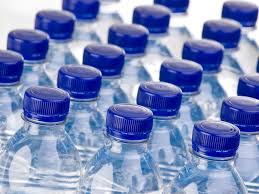
It has become increasingly evident of late that buying bottled water at the local store is becoming taboo. It’s not just bottled waterbecause it was a “fad” that is going out of style, but rather because consumers are not buying into the scare tactics and advertisements that the multibillion-dollar beverage industry have been touting. There have been numerous research studies conducted that have concluded that at least twenty five to forty five percent of all bottled water comes from filtered tap water – the exact same source of your own drinking water at home!

Not only are many water bottles filled with inexpensive and readily available tap water, even those that aren’t often fail in quality and taste tests when compared to tap water. One perfect example of this is what happened when Fiji water came up with a disparaging ad campaign against the city of Cleveland. Their advertisement stated “The label says Fiji because it’s not bottled in Cleveland.” Needless to say, this angered many Clevelanders. In response to the ad, Cleveland’s public utilities director decided to test their city’s water against Fiji’s bottled water. The result? Fiji water contained 6.31 micrograms of arsenic per liter whereas Cleveland’s tap water contained no measurable trace of arsenic.

In addition, consumers are realizing that all that plastic has to go somewhere. It is an astounding statistic, but the U.S. population purchases more than half a billion bottles of water every week … let’s repeat … half a billion bottles of water EVERY WEEK! That is just crazy; in fact, it’s enough bottles to circle the globe five times. Multiply that by 52 weeks a year and that number becomes astronomical. It would be a little easier to swallow if we thought those bottles were being recycled, but only about twenty percent of them are slated for recycling. Even that figure comes into question since many are recycled into other cheap disposable plastic that eventually ends up in landfills as well.

So what can we conclude from all this? Well it’s evidently clear that we need to be drinking water, it is unquestionably the healthiest drinking choice we can make, however bottled water is not the answer. If there is concern about the quality of your tap water, installing a home water filtration system will provide your family with drinking water that is at least on par with, and in many cases, superior to anything you can buy in a bottle. Don’t get sucked in by misleading and sometimes downright false advertising, invest a few dollars into a reusable water bottle and turn on your tap for the healthy, great tasting water.


Healthy Kidneys Need Plenty of High-Quality Water

17 August, 2015 (10:19) | Water Quality & Health Benefits | By: Smart Marketing

Your kidneys are extremely important to your health, although they may not get the same attention as your heart or your lungs. They are not very big, but they do have a big job when it comes to working for your body. They keep a person healthy by maintaining the right balance of water and other substances inside your body. We must learn how to treat our kidneys well in order to stay healthy and live a long life. Investing in filtered drinking water through reverse osmosis and drinking plenty of it is a great start. Continue reading to learn why this is.

Your kidneys produce several hormones and these hormones help to control your blood pressure, make red blood cells and activate vitamin D, which keeps your bones strong. These are some pretty important jobs, right? You’re correct if you agreed. Healthy habits should start young because we lose a little of our kidney function as we get older. When a severe kidney issue occurs and kidney function reduces, it does create a reason to be concerned. Toxins and extra water can build up in your blood. Falling hormone production can cause other problems. About 1 in 10 adults nationwide, or about 20 million people, have at least some signs of kidney damage.

According to an article in Medical News Today, the kidneys rely on adequate water intake to function properly. When we do not drink enough water, it is harder for them to do their job and do it well. During normal everyday functioning, water is lost by the body, and this needs to be replaced. It is noticeable that we lose water through activities such as sweating and urination, but water is even lost when breathing.

Drinking water is the best way to replenish what we’ve lost and make sure our kidneys are flushing toxins and producing hormones. No one wants to live with excessive toxins inside their body.  According to WebMD, the main toxin in the body is blood urea nitrogen, a water-soluble waste that is able to pass through the kidneys to be excreted in the urine. Your kidneys have the role of cleansing and ridding your body of toxins as long as your fluids are adequate.

Your kidneys already have enough toxins to filter and remove, so drinking water contamination is even more excessive. As you increase your water intake, we encourage you to consider one of our drinking water systems. Our water filters remove harmful contaminants through leading filtration technology and will provide high-quality tap water supportive of healthy kidneys and an overall healthy body. Drinking plenty of safe drinking water also reduces your chances of kidney stones, especially in warm climates. Many people may take drinking water for granted, but keeping hydrated and using a reverse osmosis system can have a huge impact on overall health. Despite how crucial it is that people drink enough water, a significant amount of people may be failing to drink recommended levels of fluids each day. Don’t be one of them.


Beware of Nitrate Contaminated Water

29 July, 2015 (12:43) | Water Quality & Health Benefits | By: Smart Marketing

One of the biggest reasons residents in our area look for water filtration systems is due to the level of nitrates found in our drinking water.  The U.S. Environmental Protection Agency (EPA) recently estimated that as many as 52 percent of community wells and 57 percent of domestic water wells are contaminated by a measurable amount of nitrates and nitrites. In Los Angeles and the San Joaquin Valley of California, it is estimated that a staggering one in three domestic wells are contaminated with levels well over the EPA’s recommended guidelines of a maximum 10 parts per million (ppm).

Nitrates can find their way into our drinking water supply from several different sources. Nitrate is a form of nitrogen and is naturally a part of our soil and groundwater; however some areas have significantly higher concentrations due to other sources of contamination. For example, when fertilizers and manure are used for crops, they react with the natural bacteria living in the soil and their nitrogen component is changed into nitrate. Nitrates can also seep into the ground through septic systems as well as from irrigation and rain water that transports the nitrates through the soil into the groundwater below.

The reason why nitrate contamination is such a concern is because of the severe health issues related to ingestion. When an individual consumes water contaminated with high levels of nitrates, it affects how well the body is able to transport oxygenated red blood cells through the vascular system, which lowers the body’s overall blood oxygen levels. Infants in particular are especially vulnerable to nitrate contaminated drinking water; infants exposed to high levels of nitrates can develop “blue baby syndrome” which can be fatal.

Reducing nitrate levels in drinking water is a fairly easy task, however there are only a few ways to do so. The EPA states that a Reverse Osmosis (RO) drinking water system has proven effective in nitrate reduction as well as ion exchange and electrodialysis. Boiling your drinking water or using a carbon filter such as Brita will not remove or reduce nitrate levels at all. In fact boiling your water will increase the concentration of nitrates because some water will evaporate through steam but the nitrates stay right where they are.

RO systems filter out a host of harmful bacteria and contaminants and are estimated to reduce nitrate levels by as much as 92 percent. It is important to know what is in your drinking water, even if you have community water. Having an independent lab test your water is the best way to know what might be lurking in there, but you can also get a water quality report from your local water utility company. Every community water system is required to prepare a water quality report yearly by the EPA which is a good starting point to see what is in your water. Well water is NOT regulated by the EPA however so if your drinking water is supplied by a well it is imperative that you have your water tested to make sure it is safe for consumption.

What is my Water Footprint?

30 June, 2015 (12:59) | Eco-Friendly & Sustainable Water Solutions | By: Smart Marketing


With so much focus lately being on water conservation   and the scarcity of fresh water, most of us have probably heard the term “water footprint” jostled around, but what does it actually mean? What IS our water footprint? How can we measure it? What can we do about it? These are all good questions and worth the time to take a look at each one of them. It is estimated that by 2030 the global demand for water will outstrip water supply by forty percent, so any area where we can conserve water is worth a second look.

First, we need to understand what our water footprint actually is. Our water footprint is the total amount of water we use throughout the day; it includes the water we use directly such as from the tap for drinking water or showering etc., as well as the water we use indirectly. The majority of our water footprint is comprised of indirect water consumption and we never actually see it. In fact, only about 5% of our water footprint is from direct water consumption. The food we eat, the energy we consume and the products we buy are all included in our overall water footprint.

Next, we need to determine how our water footprint is measured. Our water footprint is measured in terms of the volume of water consumed, evaporated and polluted and is divided into three categories: Blue, green and grey

  • A Blue Water Footprint is the determined by the amount of groundwater and surface water required to produce a product.
  • A Green Water Footprint is the amount of rainwater it takes to produce a product.
  • A Grey Water Footprint is the amount of freshwater required to dilute pollutants in order to maintain water quality standards.


Each of these categories are taken into consideration to come up with an overall measure of how much water is used to produce a particular item. The sum of all the goods and services we use each day determines our water footprint. The average American water footprint is nearly 2,000 gallons of water per day!


The final question is how can we reduce our water footprint? The best way is to take a long hard look at our daily lifestyle and what types of goods we consume. Our food is a big contributor to our water footprint; for example, an ounce of beef takes 115 gallons of water to produce, whereas an ounce of chicken takes 32 gallons of water. By replacing some of our beef consumption with chicken we can reduce our water footprint. Waterfootprint.org has a great calculator you can use to determine your own personal water footprint. By getting an overall picture of where you are consuming the most water, you will be able to make some changes to help reduce your overall water footprint.

Learn about eco-friendly water solutions